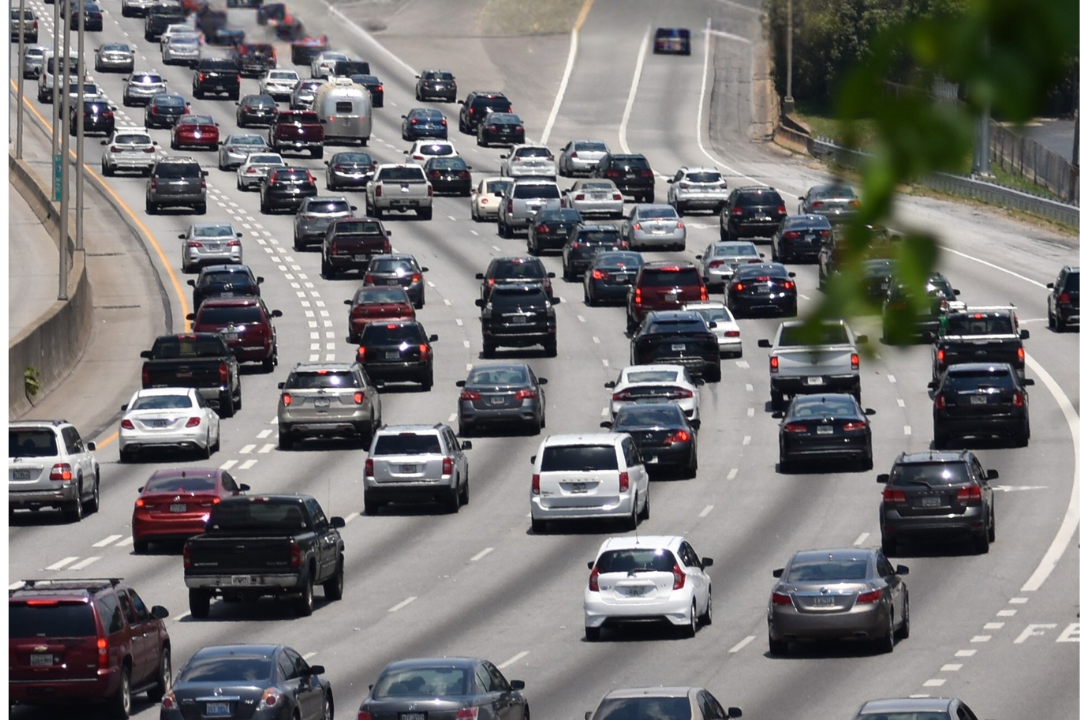
Denver knows traffic. From packed rush hours on I-25 to bottlenecks along Colorado Boulevard, congestion is part of daily life for many residents. But now, as transportation agencies propose billions of dollars in new road-widening projects, a growing number of Denverites are stepping back and asking a big question:
Is this really the future Denver wants?
According to a report from Denver Westword, the answer is far from unanimous.
A New Wave of Mega Road Projects
Transportation planners and local governments — alongside the Colorado Department of Transportation (CDOT) — have submitted dozens of proposals to the Denver Regional Council of Governments (DRCOG) seeking federal funding over the next 25 years. Some of the biggest projects include:
- Interstate 25: A proposed $562 million expansion between I-70 and I-270, cutting through north Denver neighborhoods such as Globeville.
- Interstate 270: A nearly $900 million, nine-year plan to widen the highway from Denver’s northern edge to U.S. Highway 36 in Welby.
- Major arterial roads: Potential widening projects on Colorado Boulevard, Quebec Street, and Tower Road in Adams County.
- ined, the price tag for these expansions could exceed $4 billion — a staggering number that has ignited debate over how the region should spend its transportation dollars.
Why Many Residents Are Alarmed
For critics, the concern isn’t just about cost — it’s about effectiveness.
“We have decades of data that show widening highways is a complete waste of money,” says Jill Locantore, executive director of Denver Streets Partnership. Her argument centers on a well-documented concept known as induced demand: when roads are widened, traffic initially eases, but soon more drivers fill the new lanes, bringing congestion right back.
Locantore points to previous projects like the widening of Federal Boulevard and Martin Luther King Jr. Boulevard, where traffic levels eventually returned to where they started.
Public opinion appears to back up these concerns. A statewide transportation survey conducted by CDOT found that many Coloradans would rather see investments in public transit, biking, walking, and repairing existing infrastructure than expanding highways.
Voices Rising at Public Meetings
At recent DRCOG meetings, residents have been vocal about their worries.
Some, like Andy Janes, warned that highway widening could undermine environmental goals and worsen climate impacts. Others, including Elizabeth Simons, argued that these massive projects don’t align with how many people envision Denver’s future — one that prioritizes alternatives to driving rather than doubling down on car dependency.
Together, these voices signal a broader shift in mindset: widening roads may feel like a quick fix, but many see it as a long-term liability, bringing more pollution, unsafe streets, and divided neighborhoods.
Denver’s Vision Looks Different
Interestingly, the City of Denver itself is not requesting highway widenings as part of the DRCOG plan.
Instead, city leaders are advocating for safety-focused improvements: pedestrian bridges, bike overpasses, upgraded traffic signals, and targeted upgrades along corridors like Sixth Avenue and Evans Avenue. These proposals reflect a people-first approach — one focused on safety, accessibility, and multiple ways to get around.
The contrast is striking. While suburban counties push for more lanes and more cars, Denver’s leadership appears to be betting on multi-modal solutions that reduce dependence on highways altogether.
What Happens Next?
DRCOG is expected to narrow its list of projects as it finalizes the 2050 Metro Vision Regional Transportation Plan, which will guide how federal transportation funds are spent across the metro area for decades.
Meanwhile, opponents of highway expansion are mobilizing. They’re urging residents to participate in public comment periods and advocate for alternatives like expanded transit service, congestion pricing, and stronger investments in biking and walking infrastructure.
The decisions made now will shape Denver’s transportation landscape for a generation. And while Denver proudly wears the title of the Mile High City, one thing is clear:
The road ahead is anything but straightforward.
Check out this article next